



Our world today is changed by digital innovations in every part of our lives. Smartphones and smart homes have changed how we work, talk, and manage our days. These changes have made a big difference in how we live.
Technology has become a big part of our lives without us even noticing. It has made work easier and helped us stay in touch with loved ones far away. This shows how technology has improved our lives in many ways.
Studies on how technology influences us show it has made our lives better. It has made talking and getting information easier. The modern technology benefits go beyond just making things easier. They change how we solve problems and find new chances.
This article will look at how technology impact our society today. We will see the good things and the bigger effects of our digital world.
The Digital Communication Revolution
Modern connectivity has changed how we keep in touch over long distances. The internet has turned simple messages into advanced platforms for global chats. This change is one of technology’s biggest impacts on our lives.
Instant Messaging and Social Media Platforms
Apps like WhatsApp, Telegram, and Signal are key for modern talking. They offer safe and fast chats. Users can share texts, photos, videos, and even money.
Social media sites like Facebook, Twitter, and Instagram have made connections wider. They let people find friends based on interests, not just where they live. These sites help with both personal and work connections.
Thanks to these tools, we can keep in touch with loved ones far away. Grandparents can video call grandkids, friends share daily life, and colleagues work together from anywhere.
Related Posts:
- Is China More Technologically Advanced Than the US A…

- What Is Powertrain Technology Engine Transmission…

- How to Manage Technology Strategies for IT and Digital Tools

- What Is mmWave Technology High-Frequency 5G Explained

- What Is Nike Flyknit Technology Lightweight…

- How to Upskill in Technology A Guide to Staying Relevant

Video Conferencing Tools
Video calls have grown from a special tool to a key part of talking. They let us see each other face-to-face, making meetings feel real. They’re used for work and family gatherings.
Zoom and Microsoft Teams for Professional Use
Zoom and Microsoft Teams have changed work meetings. Zoom is easy to use, with features like screen sharing and recording. It helps teams work better together.
Microsoft Teams works with Office 365, making work easier. It’s not just for meetings but also for sharing files and managing projects. These tools are vital for working from home and across the world.
FaceTime and WhatsApp for Personal Connections
Apps like FaceTime and WhatsApp Video Call focus on easy use and feeling close. FaceTime works well on Apple devices, making video calls clear and warm. WhatsApp Video Call works on both Android and iOS, keeping conversations safe.
These apps have changed how families stay close, no matter where they are. The digital world keeps getting better for connecting with others.
Smart Home Technologies Transforming Living Spaces
Smart home technology has changed how we live. Our homes now respond to us better, use resources wisely, and fit our tastes perfectly.

Voice-Activated Assistants
Today’s voice assistants are the heart of smart homes. They let us control many devices just by talking. These smart systems get to know us better over time, making our lives more personal.
Amazon Alexa Ecosystem
The Amazon Alexa platform lets you control lots of smart devices easily. You can change lights, play music, and secure your home with just your voice. It keeps getting better with new updates and devices.
Google Home Integration
Google’s smart home uses its search power and AI. It works well with Google services and thousands of IoT devices. It can handle complex tasks and routines thanks to its smart understanding.
Automated Climate and Lighting Control
Smart environmental systems are big changes in home automation. They make our homes more comfortable and help save energy and money.
Nest Learning Thermostat
The Nest Learning Thermostat learns your habits to set the best heating and cooling times. It saves you money on bills and is easy to use with its app.
Philips Hue Smart Lighting
Philips Hue makes lights that change with your day. You can set scenes, change colours, and set times with its app. It works with voice assistants and other smart devices for a seamless experience.
These IoT devices show how smart home technology meets our needs and saves resources. The smooth working of these systems is the future of smart homes.
Healthcare Innovations Through Technology
Modern technology has changed healthcare, making it easier to manage health proactively. It lets people take charge of their health and gives doctors new tools for care.
Wearable Health Monitoring Devices
Wearable tech has changed how we track our health. It lets us keep an eye on vital signs and activity all the time. This data can spot health problems early, helping us prevent them.
Apple Watch Health Features
The Apple Watch does more than just track fitness. It has sensors that check heart rhythms, blood oxygen, and even do ECGs.
It alerts users to health issues, so they can get help fast. It also calls for help if you fall hard and don’t move.
Fitbit Activity Tracking
Fitbit focuses on tracking activity and sleep. It shows how much you move and how well you sleep. It tracks steps, distance, calories, and active time.
It also checks sleep stages and heart rate all the time. Many Fitbits offer breathing exercises to help with stress.
Telemedicine and Remote Consultations
Telemedicine is a big change in healthcare. It’s great for those in remote areas or with mobility issues. It lets doctors consult with patients over video, no matter where they are.
Patients can talk about symptoms, get diagnoses, and get prescriptions without going to the clinic. Doctors can also check patient data between visits, making treatment better.
Virtual consultations make healthcare easier to get. They cut down waiting times and save on travel costs. Now, many doctors offer telemedicine for non-urgent cases.
Transportation and Navigation Advancements
Modern transportation has seen a big change thanks to new tech. These changes have made getting around cities and to places easier and faster than before.
Real-Time GPS Navigation Systems
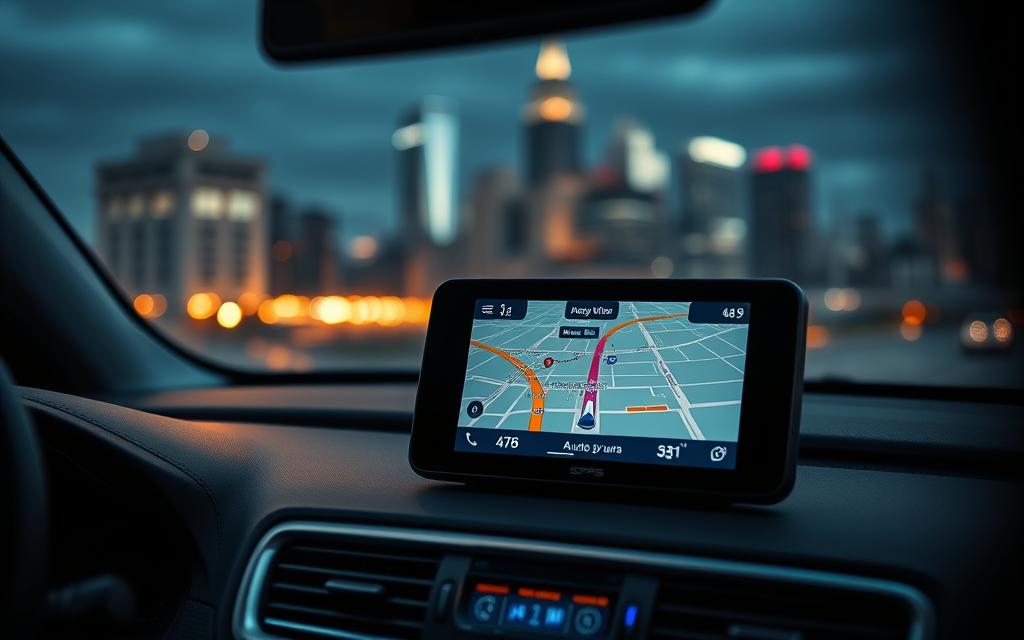
GPS systems are now key for travellers. They give directions, tell you when you’ll arrive, and find the best route.
Google Maps for Daily Commuting
Google Maps is the top choice for daily travel. It has detailed maps, live traffic info, and other route options.
It tells you how long it will take to get somewhere, based on traffic. It also works well with public transport, making city travel easier.
Waze for Community-Based Traffic Updates
Waze changed traffic updates with its community idea. Drivers share info on accidents and traffic, helping everyone.
This teamwork lets Waze change routes quickly. It makes driving a social experience that helps everyone.
Ride-Sharing Applications
Ride-sharing apps have changed city travel. They connect drivers and riders through mobile apps.
Uber for Urban Transportation
Uber started the ride-sharing trend with easy booking and reliable service. It offers different cars for different needs and budgets.
Uber is known for clear prices, driver ratings, and no cash needed. It’s available in many cities around the world.
Lyft for Alternative Options
Lyft is a big name in ride-sharing, with its own twist. It focuses on community and driver-rider chats.
Lyft has new ideas like shared rides and subscriptions. These options are cheaper for regular users.
These tech changes do more than just make travel easier. They help reduce traffic, cut down on pollution, and make travel accessible for all.
“Navigation apps have reduced average commute times by 18% in major metropolitan areas while increasing route efficiency by 23%.”
These changes are just part of how tech is improving our travel. Future tech will bring even more advanced ways to move around.
How Has Technology Helped Us in the Workplace
Modern workplace technology has changed work for the better. It makes things faster and more accurate. Tasks that used to take a lot of time and paper now get done quicker and with less error.
It’s not just about saving time. Technology has changed how we talk, manage projects, and share information. Now, we can do all these things from anywhere in the world.
Cloud Computing and Remote Collaboration
Cloud computing is a big step forward for businesses. It lets us store, edit, and access files easily on different devices.
Thanks to remote collaboration, teams can work together, no matter where they are. This is really useful in today’s fast-paced work world.
Microsoft Office 365 for Business
Microsoft Office 365 is a top choice for businesses. It has Word, Excel, and PowerPoint, but with better teamwork features.
With Office 365, teams can work on documents together at the same time. It also has tools for quick communication and making decisions.
Google Workspace for Team Projects
Google Workspace is great for team projects and managing documents. It lets you edit in real-time and leave comments.
It works well with Google Drive, so everyone always has the latest version of files. This stops confusion and makes work flow better.
Project Management Tools
Project management tools are key for handling big projects. They help keep track of tasks, deadlines, and who’s doing what.
Today’s tools can be tailored to fit different projects. They make it clear how things are going and help spot problems early.
Asana for Task Organisation
Asana is top for breaking down big projects into smaller tasks. It shows how tasks fit together and who’s doing what.
It sends out reminders so everyone knows what’s coming up. This cuts down on the need for meetings and emails.
Trello for Visual Project Management
Trello uses cards to track projects in a way that’s easy to see. Teams can set up their boards and lists to fit their needs.
It’s easy to move tasks around and set priorities. Colours and deadlines make it simple to see how projects are doing.
These tools show how workplace technology keeps getting better. They work well in offices and for remote work too.
Educational Technology Enhancements
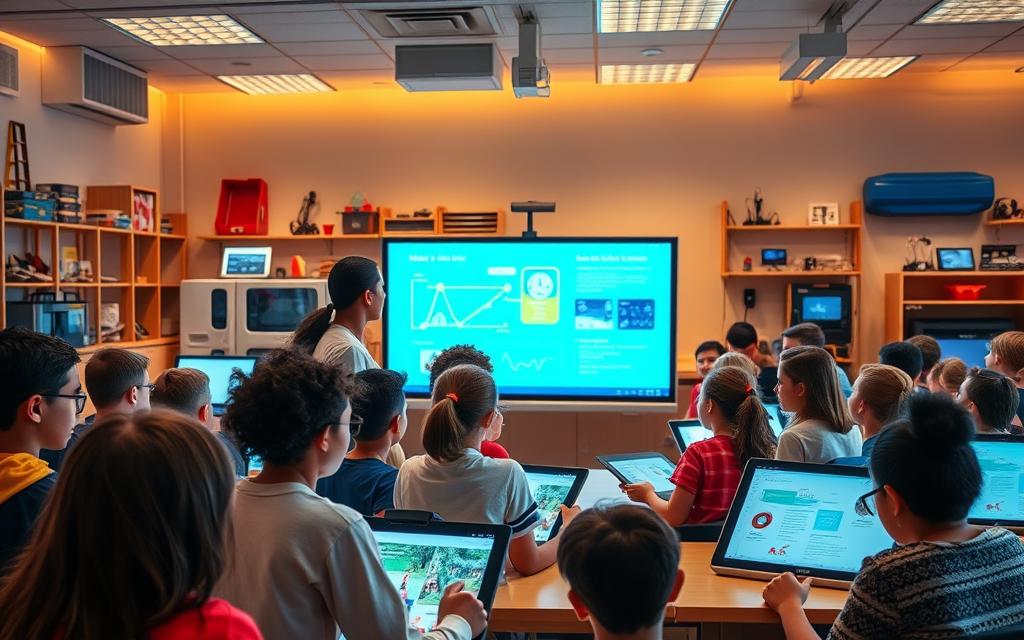
Learning has changed a lot thanks to new technology. Now, we can get and share knowledge in many ways. This is true for all ages and subjects.
Online Learning Platforms
Online learning sites have made education available to everyone. They offer flexible times, lots of courses, and fun ways to learn. This suits different learning styles.
Coursera for Professional Development
Coursera is great for growing your career. It works with top schools and companies to offer courses and degrees. You can get professional certificates that help you get a job.
It has clear learning paths and checks your work. This helps you really understand hard subjects.
Khan Academy for Supplemental Education
Khan Academy gives free learning resources. It has lots of videos and practice exercises on many subjects. It also adapts to how you learn, helping you fill gaps in your knowledge.
Digital Research Tools
Today’s research tools have changed how we study. We can easily find and use global databases and old books. These tools help us do better research and work together better.
| Research Tool | Primary Function | Access Type | Key Feature |
|---|---|---|---|
| Google Scholar | Academic Search | Free | Citation Metrics |
| JSTOR | Digital Library | Subscription | Historical Archives |
| Mendeley | Reference Management | Freemium | Collaboration Tools |
| Zotero | Citation Management | Free | Browser Integration |
These digital tools have made research faster and better. They help us combine information quickly and keep our work high quality.
Retail and Shopping Transformations
Technology has changed how we shop and pay for things. Now, we can buy goods from anywhere, anytime. This change is one of the biggest in shopping history.

The evolution of retail through digital platforms has made shopping easy. We can now shop from home and get products delivered. This change has changed how we do business and shop.
E-Commerce Platforms
Online shopping platforms have made it easy to find and buy products. These sites offer a wide range of goods and are very convenient. They have opened up new chances for businesses and shoppers worldwide.
Amazon for Convenient Shopping
Amazon is a leader in online shopping with its huge product range and fast delivery. It uses smart suggestions based on what you’ve bought before. Amazon Prime adds extra perks like free shipping and streaming.
Amazon’s fast delivery has set high standards for quick and reliable service. This has raised what shoppers expect from online shopping.
eBay for Auction-Based Purchases
eBay started the online auction model, making it easy to buy new and used items. You can bid on items or buy them at a fixed price. This appeals to collectors and bargain hunters.
eBay’s feedback system helps build trust between buyers and sellers. It makes a safe place for transactions. eBay connects buyers and sellers from all over the world.
Mobile Payment Systems
Mobile payments have changed how we make transactions. They offer secure and easy ways to pay. These systems protect your financial info while making checkout quicker.
Apple Pay for Contactless Transactions
Apple Pay works with Apple devices for easy payments. It uses NFC technology for transactions. Each payment is secure, with your card number protected.
Apple Pay works online and in stores, giving a consistent experience. It adds security with Face ID or Touch ID for payments.
Google Pay for Android Users
Google Pay is a payment solution for Android users. It stores payment info in the cloud, so you can access it from any device. It supports payments online and in stores with NFC.
Google Pay is part of the Google ecosystem, making it easy to manage your finances and shop.
| Payment Method | Security Features | Compatibility | Transaction Speed |
|---|---|---|---|
| Apple Pay | Tokenisation, Biometric authentication | Apple devices only | Under 2 seconds |
| Google Pay | Cloud encryption, Device authentication | Android and cross-platform | 2-3 seconds |
| Traditional Card | Chip PIN verification | Universal | 5-10 seconds |
| Cash Payment | Physical security only | Universal | 15-30 seconds |
Technology keeps improving retail technology. This makes shopping more personal and efficient. These advances meet consumer needs and boost the economy and accessibility in retail.
Conclusion
Technology has changed our lives a lot. It makes talking to each other easier, makes homes smarter, and helps in healthcare and transport. It also makes work, learning, and shopping more efficient.
But we must be careful. Problems like data privacy and being too dependent on technology are big concerns. It’s important to use technology wisely to avoid its downsides.
The future of technology looks exciting. With careful use, it can make our lives better, not worse. By finding a balance, we can enjoy the benefits of technology while staying safe and healthy.
